Relocating from San Francisco to Santa Rosa: Neighborhood Guide
January 15, 2026
January 15, 2026
Thinking about trading your SF walk-up for more space, sunshine, and quick access to wine country? You are not alone. Many San Franciscans look to Santa Rosa for bigger homes, larger yards, and trail time without giving up great dining and services. This guide helps you match your budget, commute tolerance, and lifestyle with the right Santa Rosa neighborhood so you can move with confidence. Let’s dive in.
Driving is the most direct way between SF and Santa Rosa via US-101 over the Golden Gate Bridge. Under typical non-incident conditions, plan for about 1 to 1.5 hours, with longer times during heavy congestion. Traffic often builds near the bridge and through Marin, so day-to-day variability is normal. Test your route during real commute windows and have a backup plan for incidents.
Public transit is possible with a multi-modal approach. Many commuters use SMART rail in Sonoma County with a connection to the Larkspur ferry or combine buses through Golden Gate Transit. These options can work well if you commute to SF once or twice a week. For daily downtown SF commutes, transit is often slower and less convenient than driving, so weigh that against your schedule flexibility.
If you are hybrid, you have the most options. Some buyers choose neighborhoods deeper in Santa Rosa if they only drive to SF a couple of days per week. Always factor parking availability at transit hubs and confirm schedules align with your work hours.
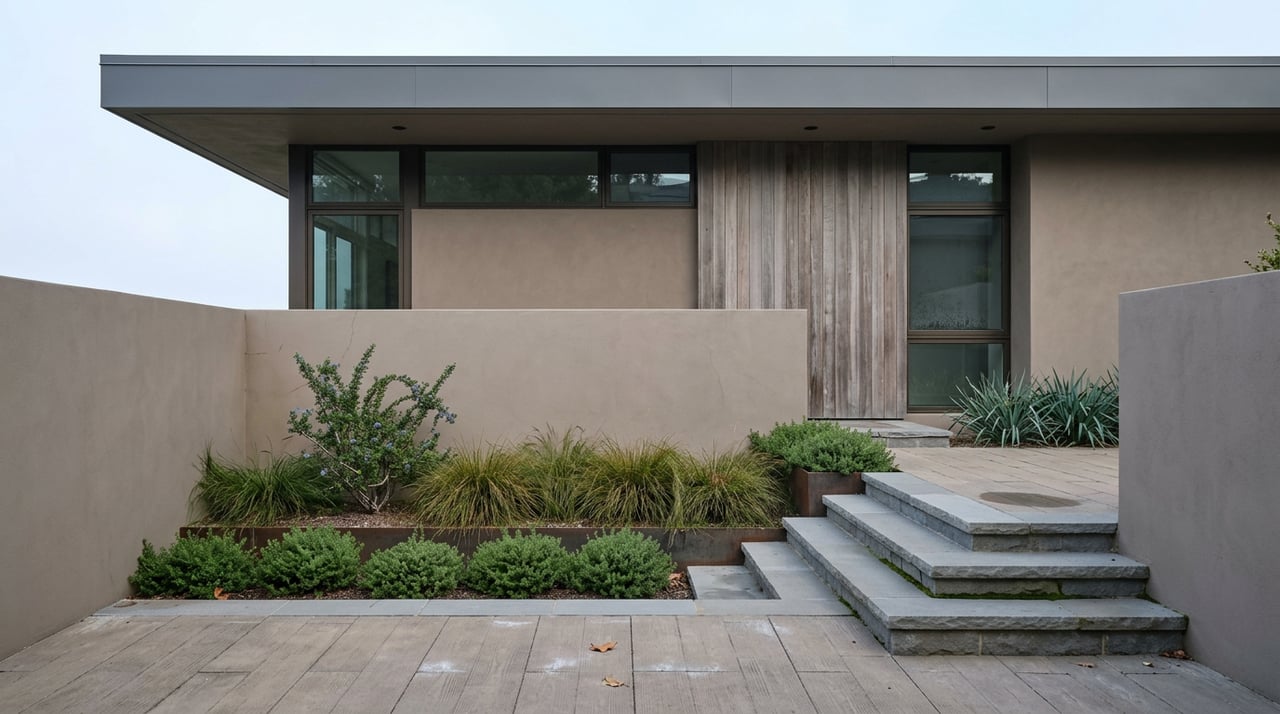
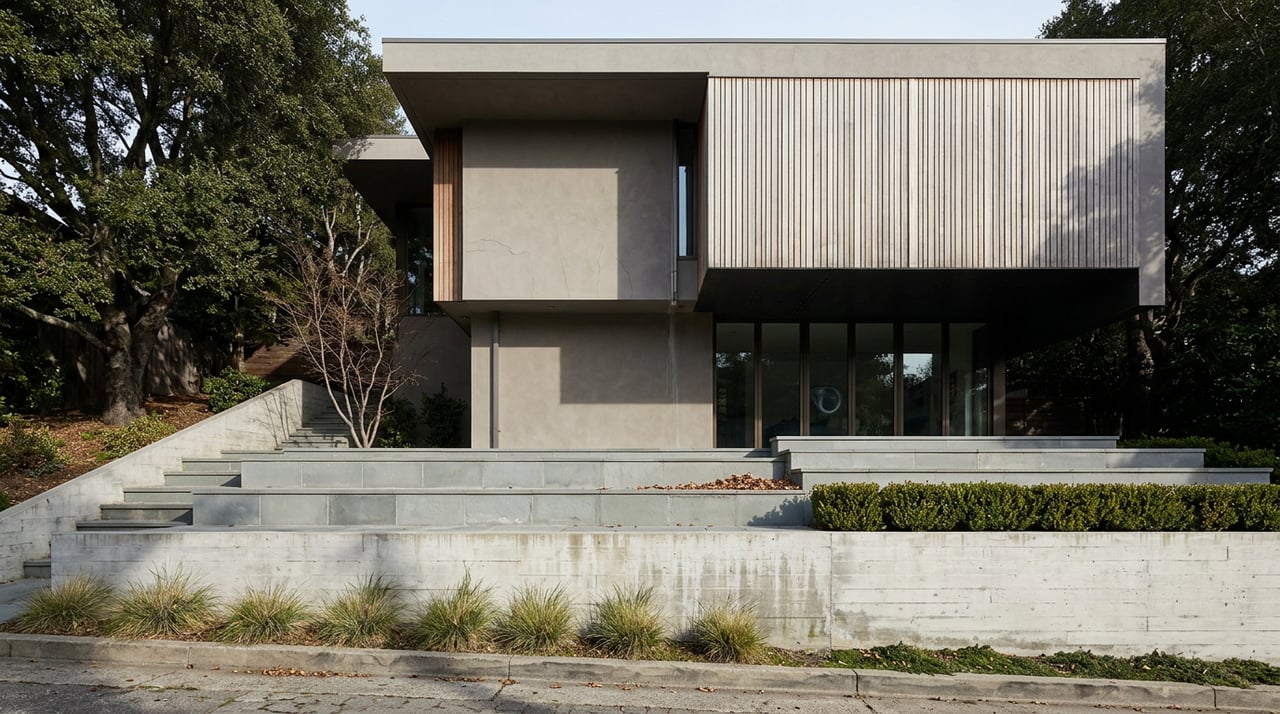
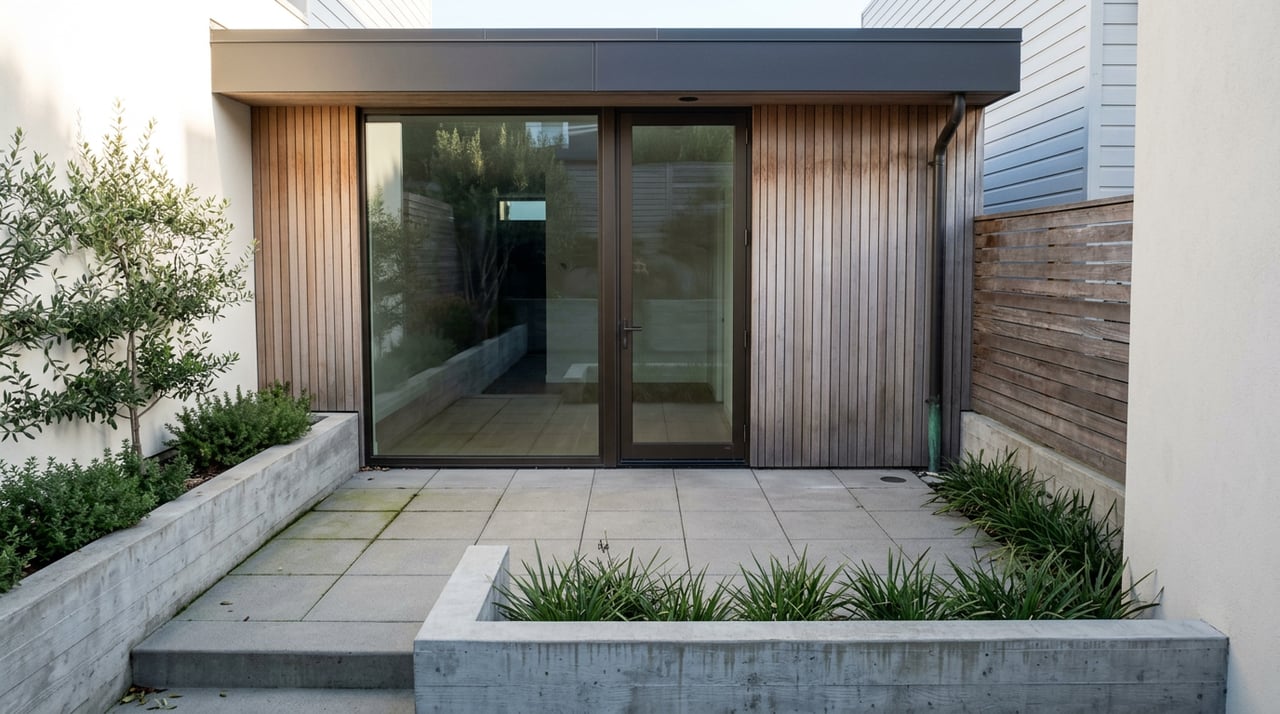
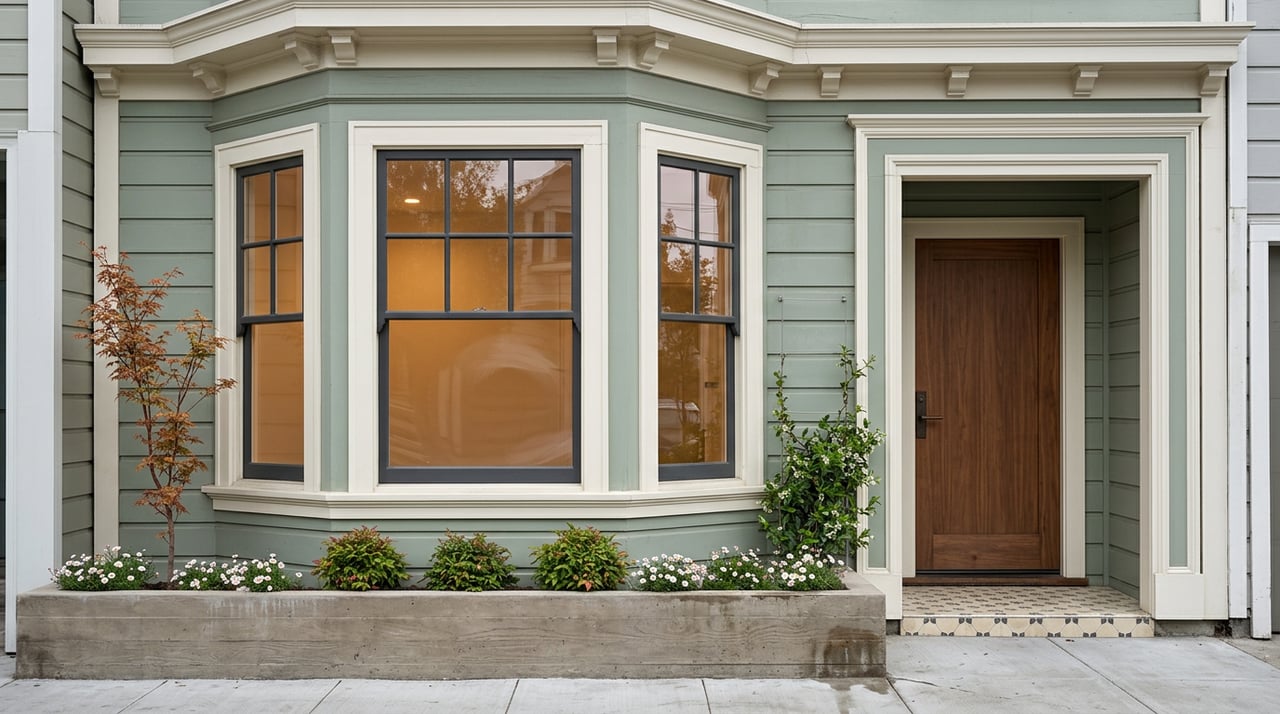
Santa Rosa offers a wide mix of housing. In and around Downtown and Railroad Square you will see historic Victorians, Craftsman bungalows, and low-rise condos with the best walkability. In established areas like Westside and Rincon Valley, mid-century ranch homes are common with moderate lots and a quieter residential feel.
Newer planned subdivisions such as Fountaingrove and nearby foothill areas tend to feature larger single-family homes, some with HOAs, and many with bigger yards or views. Parts of the city rebuilt after the 2017 wildfire now include newer construction with updated building codes and materials. You will also find townhomes and garden-style condos near retail corridors.
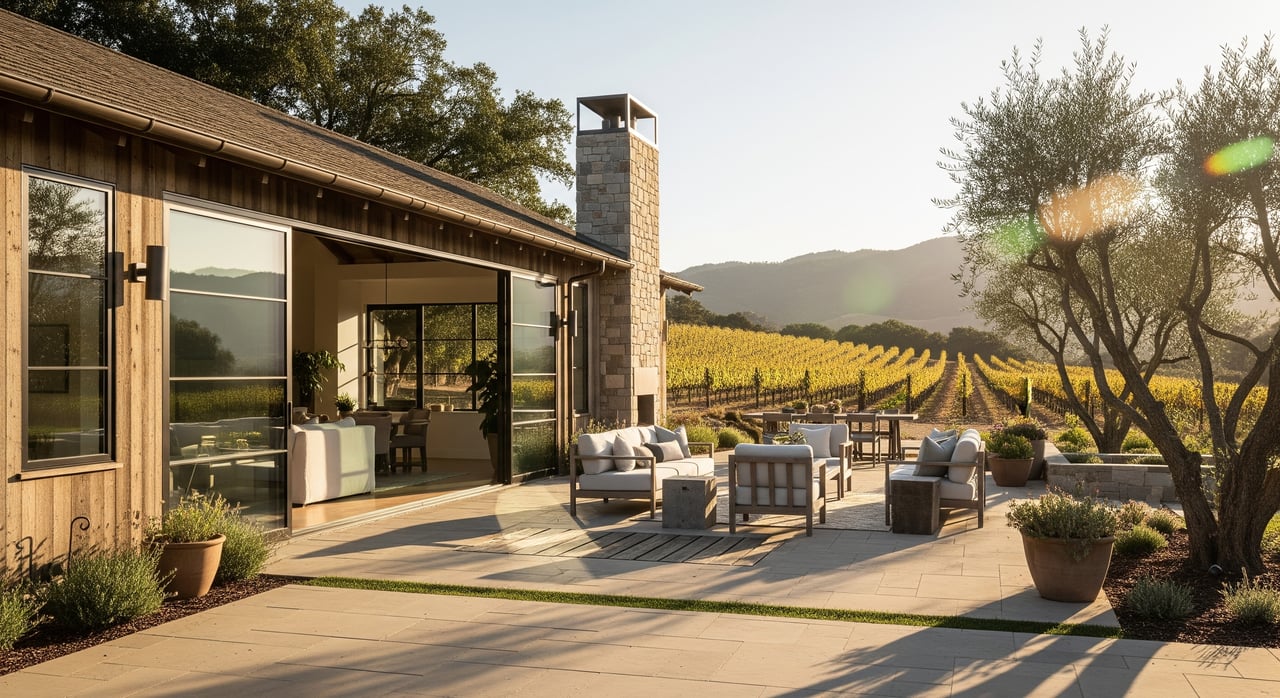
Lot size varies by neighborhood and price. Close-in areas and downtown-adjacent blocks often have smaller yards. Suburban zones like Bennett Valley, Fountaingrove, and Rincon Valley typically provide larger outdoor space, with some semi-rural parcels on the outskirts. In general, your SF budget often stretches to more interior square footage and a more usable yard here.
Santa Rosa offers quick reach to parks and open space. Annadel State Park, Spring Lake Regional Park, and Howarth Park are local favorites for hiking, mountain biking, and family recreation. Multi-use paths like the Joe Rodota Trail and the Santa Rosa Creek Trail connect neighborhoods and make cycling or running easier.
For dining and culture, downtown and Railroad Square have the highest concentrations of restaurants, breweries, coffee shops, and performance spaces. Fourth Street and nearby commercial corridors deliver daily conveniences. If you want a lively scene close by, focus on downtown-proximate blocks. If weekend recreation matters most, many neighborhoods put you within a short drive of trailheads and wineries.
Compared with San Francisco, the same budget in Santa Rosa often buys a larger home with a yard. For many SF buyers, that can mean trading a condo or small single-family home for a 3 to 4 bedroom house with usable outdoor space. Exact outcomes depend on timing and local market conditions, so review current neighborhood-level data as you search.
Plan for total cost of ownership. California property taxes are typically around 1 percent of assessed value plus voter-approved local assessments. If a home is in an HOA community, factor monthly dues into your budget. In parts of Sonoma County, insurance costs can vary due to wildfire risk, so it is smart to obtain quotes early. Some semi-rural properties may have septic or well systems, which come with different maintenance and inspection needs.
Wildfire exposure is a real consideration in and around Santa Rosa. Many neighborhoods follow defensible-space requirements, and homes rebuilt after recent fires often incorporate updated codes and materials. As you evaluate properties, review local fire maps, confirm defensible space and hardening features, and understand evacuation routes.
Zoning and development can influence neighborhood character over time. Check city planning resources for planned projects, especially if you care about future traffic or nearby infill. If schools are part of your decision, confirm district boundaries and review publicly available performance data directly from the relevant agencies.
Use this simple framework to focus your search:
Set priorities
Map your commute
Match neighborhoods
Visit at varied times
Check property details
Prepare finances
Decide with clarity
If you are moving from San Francisco to Santa Rosa, you want a partner who understands both sides of the decision. With deep SF neighborhood expertise and consistent work in North Bay markets, we help you compare trade-offs, test commutes, and shortlist neighborhoods that match your goals.
You get boutique, hands-on guidance supported by Compass tools. That includes curated search and Collections to organize options, strategic offer planning, and access to Compass programs like Bridge Loans and Private Exclusives when appropriate. For listings, our team delivers polished presentation and Compass Concierge to prepare your home for market. The result is a smoother move and confident choices at every step.
Ready to explore your fit in Santa Rosa or the wider Sonoma market? Reach out to schedule a conversation with Stephen J Bartlett.
Stay up to date on the latest real estate trends.
Along with his team, Stephen believes that you are entitled to the best real estate counsel you can get. Personal. Engaged. Strategic. Effective.